Table of Content
Just after midnight, Tyler took a sip of brandy, and told his doctor, "Doctor, I am going", to which the doctor replied, "I hope not, Sir." Tyler then said, "Perhaps it is best." Tyler died in Richmond shortly thereafter, most likely due to a stroke. In the spring of 1844, Tyler ordered Secretary of State John C. Calhoun to begin negotiations with Texas president Sam Houston for the annexation of Texas. In May 1842, the House demanded President Tyler's Secretary of War John Spencer hand over information of an investigation by the U.S. Tyler, whose executive privilege was challenged, insisted the matter was ex parte and against the public interest. The House responded with three resolutions, in part, that claimed the House had a right to demand information from Tyler's cabinet.

Mary Bryan had joined her husband in late September; on The Idler, the Bryans were able to eat and sleep in relative comfort. While attending law school from 1881 to 1883, Bryan was a clerk to former Illinois senator Lyman Trumbull, who influenced him in a dislike for wealth and business monopolies. Bryan was strongly affected by the emerging Social Gospel movement that called on Protestant activists to seek to cure social problems such as poverty. Looking for a growing city in which his practice could thrive, he moved to Lincoln, Nebraska, in 1887. The funeral service was held on Tuesday, Nov. 8, 2022, at the Hamilton Freewill Baptist Church with burial following at the Cooper Cemetery. The numbers of the unbanked were greater among households that included those who were working age and disabled, lower income, included a single mother, or were Black or Hispanic.
Audrey L. Williams
Responsibility for defeat was the subject of fierce public debate between Cornwallis, Clinton and Germain. Despite criticism from his junior officers, Cornwallis retained the confidence of his peers and later held a series of senior government positions; Clinton ultimately took most of the blame and spent the rest of his life in obscurity. 1782 saw large scale retaliations between settlers and Native Americans of the region, including the Gnadenhutten massacre and the Crawford expedition. The 1782 Battle of Blue Licks was one of the last major engagements of the American Revolutionary War. News of the treaty between Great Britain and the United States arrived late that year. By this time, about 7% of Kentucky settlers had been killed in battles against Native Americans, contrasting with 1% of the population killed in the 13 colonies.
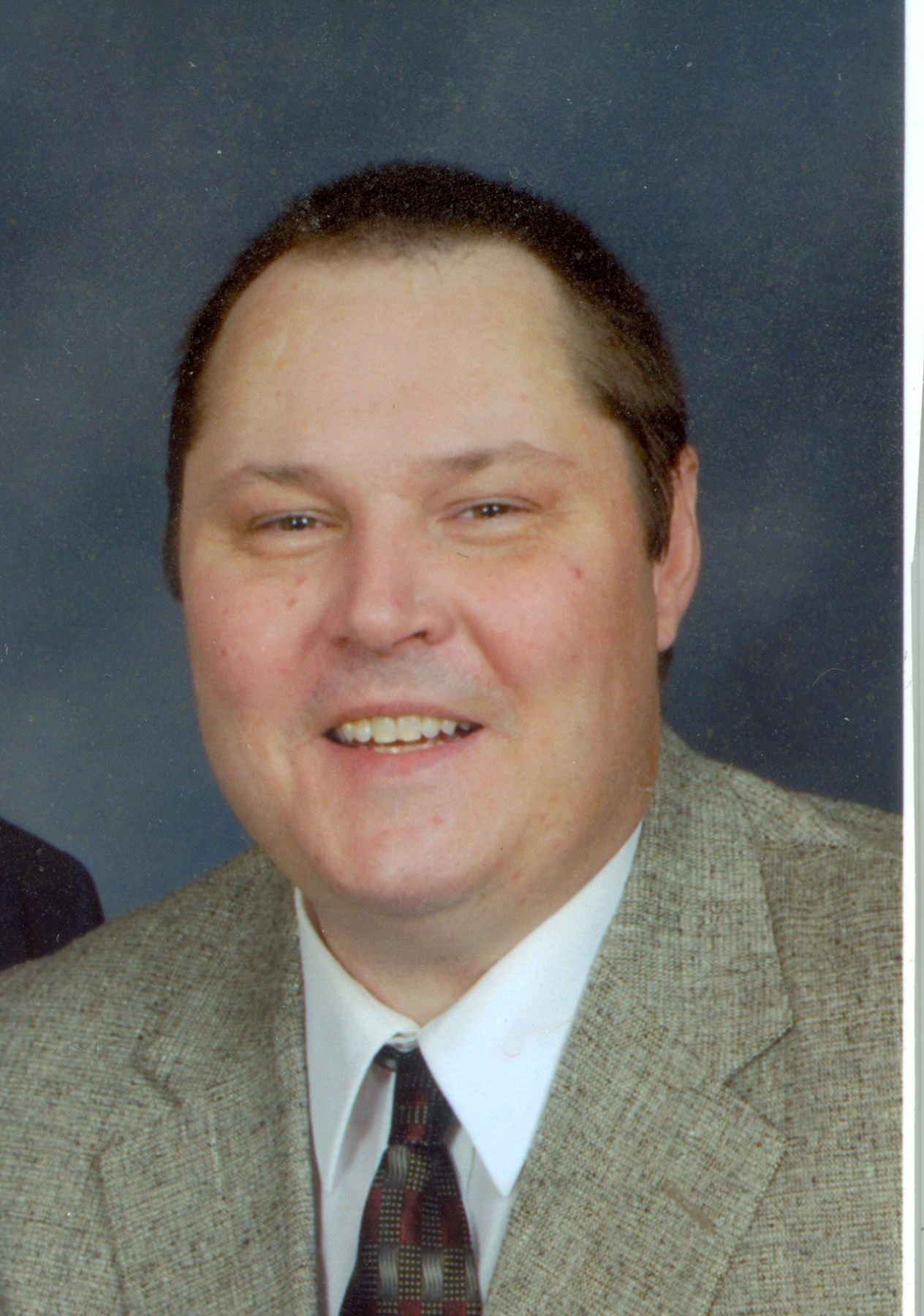
Mr. Nydegger was preceded in death by his son, Steven David Nydegger, parents Louis Christian Nydegger and Elsie Regina Raizen Nydegger, siblings Louis Christian Nydegger Jr., Charles Nydegger, Viola Moran and Everette Doke. David Calvin Nydegger, age 80 of Harvest, Alabama , passed away on Saturday, September 25, 2021. Mr. Nydegger was born on March 6, 1941 in Tippecanoe County, Indiana to Louis and Elsie Nydegger.
Bryan
After Boston, Gage halted operations and awaited reinforcements; the Irish Parliament approved the recruitment of new regiments, while allowing Catholics to enlist for the first time. Britain also signed a series of treaties with German states to supply additional troops. Within a year it had an army of over 32,000 men in America, the largest ever sent outside Europe at the time. Over the course of the 18th century, the elected lower houses in the colonial legislatures gradually wrested power from their Royal Governors. Dominated by smaller landowners and merchants, these Assemblies now established ad hoc provincial legislatures, variously called Congresses, Conventions, and Conferences, effectively replacing Royal control.
The original Virginia Constitution gave outsize influence to the state's more conservative eastern counties, as it allocated an equal number of legislators to each county regardless of population and granted suffrage only to property owners. The convention gave the more populous and liberal counties of western Virginia an opportunity to expand their influence. A slaveowner from eastern Virginia, Tyler supported the existing system, but largely remained on the sidelines during the debate, not wishing to alienate any of the state's political factions.
Earl Reynold Lane, Jr.
These included Vice President Adlai Stevenson of Illinois, Senator Joseph C. Blackburn of Kentucky, Indiana Governor Claude Matthews, and Bryan. Illinois Governor Altgeld, a leader of the silver movement, was ineligible because he was not a natural-born U.S. citizen as required for the presidency in the Constitution. When Senator Teller walked out of the Republican convention in protest over the currency plank, he immediately became another possible candidate for the Democratic nomination for president.
McKinley was taken to the home of John G. Milburn, president of the Pan-American Exposition Company. Soon after his second inauguration on March 4, 1901, William and Ida McKinley undertook a six-week tour of the nation. Traveling mostly by rail, the McKinleys were to travel through the South to the Southwest, and then up the Pacific coast and east again, to conclude with a visit on June 13, 1901, to the Pan-American Exposition in Buffalo, New York. However, the first lady fell ill in California, causing her husband to limit his public events and cancel a series of speeches he had planned to give urging trade reciprocity. He also postponed the visit to the fair until September, planning a month in Washington and two in Canton before the Buffalo visit. McKinley had built his reputation in Congress on high tariffs, promising protection for American business and well-paid American factory workers.
Election
A report in The New England Quarterly says there is little evidence backing the story, and whether the ride occurred is questioned. Deborah Sampson fought until her gender was discovered and discharged as a result; Sally St. Clair was killed in action during the war. A Loyalist militia unit—the British Legion—provided some of the best troops in British service; it received a commission in the British Army. It was a mixed regiment of 250 dragoons and 200 infantry supported by batteries of flying artillery. It was commanded by Banastre Tarleton and gained a fearsome reputation in the colonies for "brutality and needless slaughter".
Tyler's actions were in opposition to the presumed authority of Congress to make policy. Congressman John Botts, who opposed Tyler, introduced an impeachment resolution on July 10, 1842. Botts levied nine formal articles of impeachment for "high crimes and misdemeanors" against Tyler.
Calhoun was a leading advocate of slavery, and his attempts to get an annexation treaty passed were resisted by abolitionists as a result. Both Clay and Van Buren, the respective frontrunners for the Whig and Democratic nominations, decided in a private meeting at Van Buren's home to come out against annexation. Knowing this, Tyler was pessimistic when he sent the treaty to the Senate for ratification in April 1844.

Helping his father in Visible Speech demonstrations and lectures brought Bell to Susanna E. Hull's private school for the deaf in South Kensington, London. His first two pupils were deaf-mute girls who made remarkable progress under his tutelage. While his older brother seemed to achieve success on many fronts including opening his own elocution school, applying for a patent on an invention, and starting a family, Bell continued as a teacher. However, in May 1870, Melville died from complications due to tuberculosis, causing a family crisis. His father had also experienced a debilitating illness earlier in life and had been restored to health by a convalescence in Newfoundland. Bell's parents embarked upon a long-planned move when they realized that their remaining son was also sickly.




No comments:
Post a Comment